Editorial - Newsletter October 2026
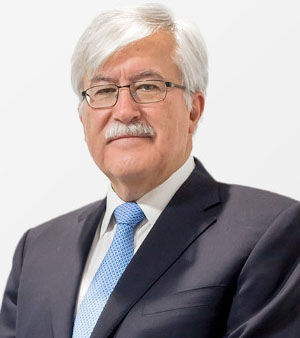
Ing. Óscar de Buen Richkarday
PIARC Past President
Today, road systems provide essential services and require investment to preserve and improve existing assets, as well as to build new infrastructure. However, available resources are often insufficient to promote safe and sustainable mobility while also addressing challenges such as ageing networks, the energy transition and resilience to climate change.
To learn about countries' strategies for addressing this issue, the conference-debate organised as part of the Council session held last October in Mérida, Mexico, was dedicated to the topic of funding and financing the road sector in different PIARC member countries.
The presentations from Austria, the United States, Estonia, Morocco, Japan, Chile and Australia made it clear that the mechanisms used include general government budgets, fuel taxes, tolls and, to a lesser extent, multinational funds and loans from multilateral development banks. They also agreed that the resources obtained from these sources are insufficient to meet the investment requirements of their respective road networks.
In addition to exploring ways to make the most of existing sources to the greatest extent possible, countries need solutions that take local specificities into account, ensure transparency in decision-making and enable them to be accountable for the use of funds allocated to the road sector.
Multi-year financial strategies focused on the life cycle of assets are essential to anticipate needs and address funding gaps. Technical Committee 1.3, dedicated to financing and procurement issues, produces materials to contribute to the development of these strategies. Potential future areas of work include innovative financing, sustainable procurement, project preparation and implementation, including public-private partnerships and risk management throughout the life cycle of assets.
The Committee does not seek to promote a single model, but rather to provide input to improve each country's decision-making.