International Seminar "Roads as Catalysts for Sustainable and Inclusive Development"
28-30 April 2025, Guadalajara (Mexico)
Organized by the Mexican Association of Road Engineering (AMIVTAC), and with the collaboration of PIARC Technical Committees 1.2 "Contribution of Roads to Economic and Social Development",1.3 "Finance and Procurement" and 2.3 "Sustainable Freight", the seminar brought together experts, academics, public officials, and industry professionals from Mexico and around the world.
Preparatory documents for the Seminar
Quick recap
From April 28 to 30, the World Road Association (PIARC) and the Mexican Association of Road Engineering (AMIVTAC), in collaboration with PIARC Technical Committees 1.2 "Contribution of Roads to Economic and Social Development," 1.3 "Finance and Procurement," and 2.3 "Sustainable Freight ," met in Guadalajara, Mexico, and organized an international seminar with over 250 participants from more than 15 countries.
The impact of roads on the sustainable and inclusive development of countries is of paramount importance. This international seminar addressed topics related to the socio-economic impact of road infrastructure, innovative financing and procurement models, cost-benefit analyses in the context of sustainable development, and road investments with inclusive effects for users.
Seminar Development
The three-day seminar program included five technical sessions, a technical visit, and opening and closing presentations with final conclusions.
The president of PIARC Technical Committee 1.3, Rafael Aldrete (Mexico), the president of Technical Committee 2.3, Olivier Quoy (France), and the Spanish secretary of Technical Committee 1.2, Clemente Poon (Mexico), were responsible for the smooth running of the activities. Óscar de Buen, honorary president of PIARC, and Juan José Orozco, president of AMIVTAC, also participated in the opening of the seminar.
The documents presented in each technical session, as well as the specialists who prepared and submitted them for review by the seminar participants, are detailed in the table below.
| International Seminar Program - April 28-30, 2025 Roads as Catalysts for Sustainable and Inclusive Development |
|---|
Day 1 - 28 april
08:30 - 09:00 | Registration | |
09:00 - 11:00 | Opening Ceremony
| |
11:00 - 11:30 | Coffee break | |
11:30 - 13:45 | Session 1: Socio-economic Impacts of Road Infrastructure
| |
13:45-15:00 | Lunch break | |
15:00 - 17:15 | Session 2: Innovative Financing Models and Public Procurement
| |
17:15 - 17:30 | Day 1. Conclusions | |
Day 2 - 29 april
09:00 - 11:00 | Session 3: Freight Transport
| |
11:00 - 11:30 | Coffee break | |
11:30 - 13:30 | Session 4: Cost-benefit analysis for sustainable development
| |
13:30 - 15:00 | Lunch break | |
15:00 - 16:25 | Session 5: Inclusive road investment for all users.
| |
15:30 - 16:50 | Coffee break | |
16:50 - 17:30 | Closing Session
| |
Day 3 - 30 april
Technical visit: Guadalajara bypass – Operation and management of concessionary road infrastructure |
Seminar conclusions
Event Overview
- 5 technical sessions
- 1 keynote lecture
- 24 presenters
- 12 from Mexico
- 12 from abroad, including 3 remote participants
- Active participation from 15 international TC members and 5 Mexican TC members
- International representation from: United States, United Kingdom, France, Italy, Finland, Austria, Poland, South Korea, Japan, China, South Africa, Senegal, Tunisia, New Zealand, Costa Rica, and Canada
- 267 total attendees, including:
- 10% international participants
- 20% students
Topics Addressed
Presentations were structured around five thematic areas:
- Socioeconomic impacts of road infrastructure
- Innovative financing and procurement models
- Freight transport
- Cost-benefit analysis in the context of sustainable development
- Inclusive road investment for all users
Key Takeaways
1. Road infrastructure remains a strategic tool to reduce social and regional disparities, as demonstrated by case studies from Mexico, the United Kingdom, Ecuador, and South Africa.
2. Infrastructure financing requires continuous innovation, particularly through Public-Private Partnerships (PPPs) and cost-benefit analysis tools that incorporate social and environmental dimensions. Experiences from Mexico, South Korea, Finland, and the North American Development Bank (NADBank) showcased adaptable approaches for diverse contexts.
3. Freight mobility calls for more sustainable and integrated solutions, both in urban and cross-border environments. Tools to assess cross-border freight costs, the impact of oversized vehicles, and the economic value of freight were discussed.
4. The importance of inclusion and equity in road project design and evaluation was strongly emphasized.Presentations on gender, non-motorized mobility, and rural well-being highlighted that roads should not be designed solely for vehicles—but for all people.
5. Infrastructure planning must be resilient, participatory, and locally responsive. The need for continuous evolution in highway projects—as highlighted by South Korea's presentation—was linked to public policies that balance financial efficiency, service quality, and social acceptance.
Final Reflections
In the closing message, it was noted that the seminar fulfilled its goal of providing a high-level forum for reflection and technical exchange, reaffirming PIARC’s role as a global platform for shared learning. A call was made to continue fostering international collaboration to tackle the complex challenges of road infrastructure, and to strengthen the involvement of young professionals and students, whose participation was a key feature of the event.
Acknowledgments
The organizing committee extends special thanks to:
- AMIVTAC, for its outstanding work as local host
- PIARC Technical Committees 1.2, 1.3, and 2.3, for their technical contributions
- All presenters, for sharing their insights and case studies
- All attendees, for enriching the dialogue and strengthening this global community of practice
-
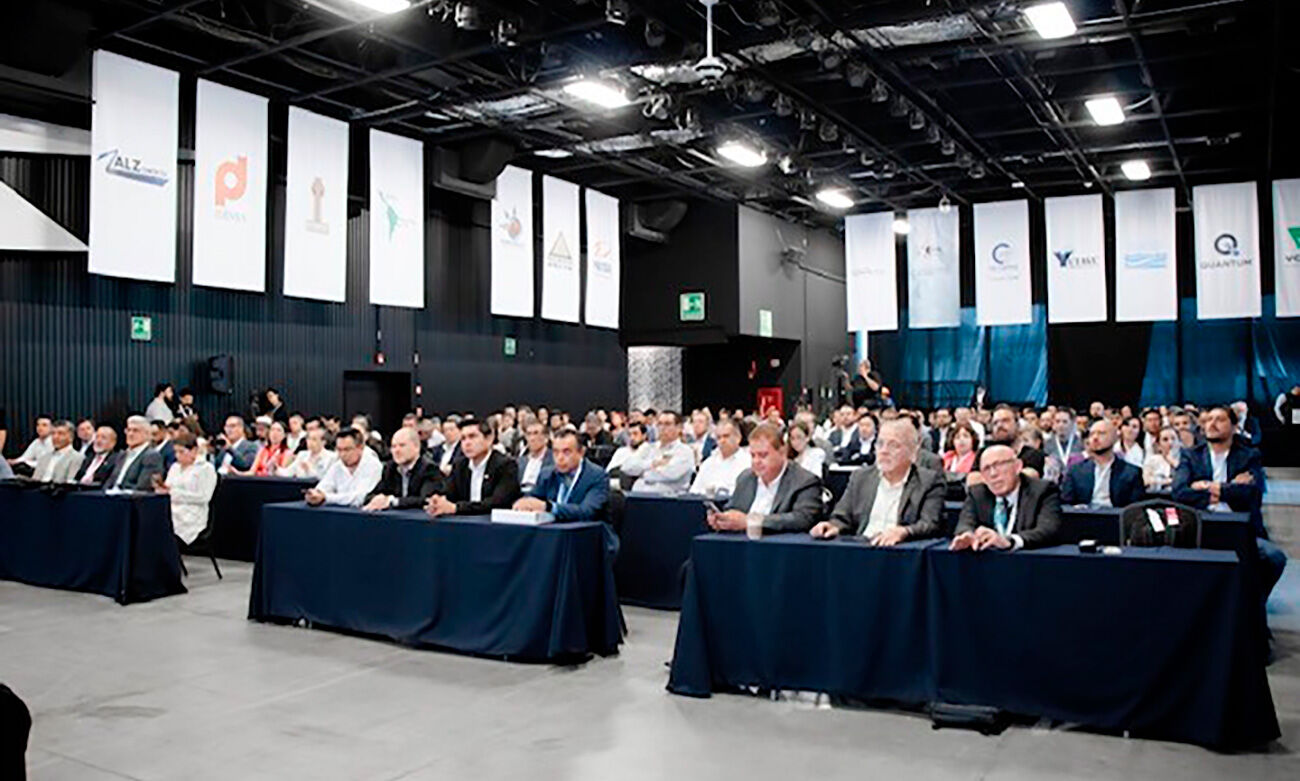
Seminar audience
-
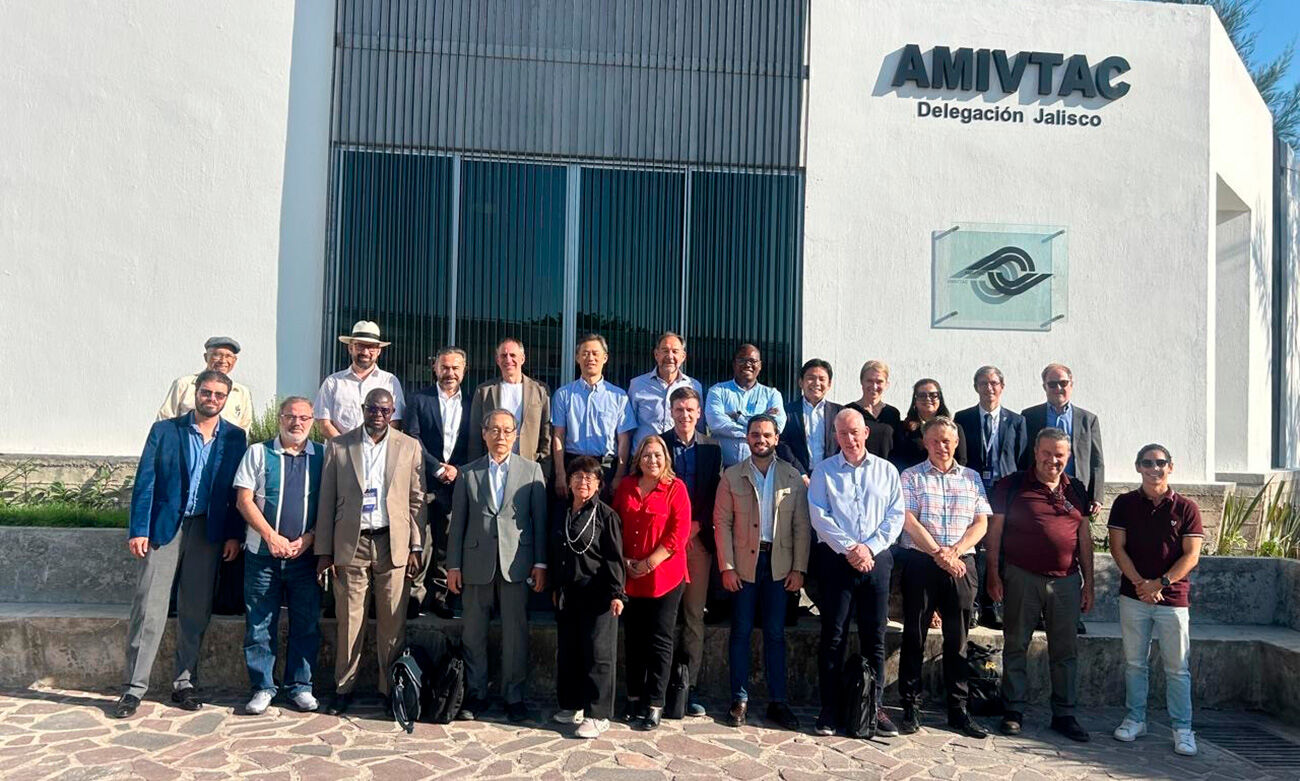
Technical Committees Photo Group
-
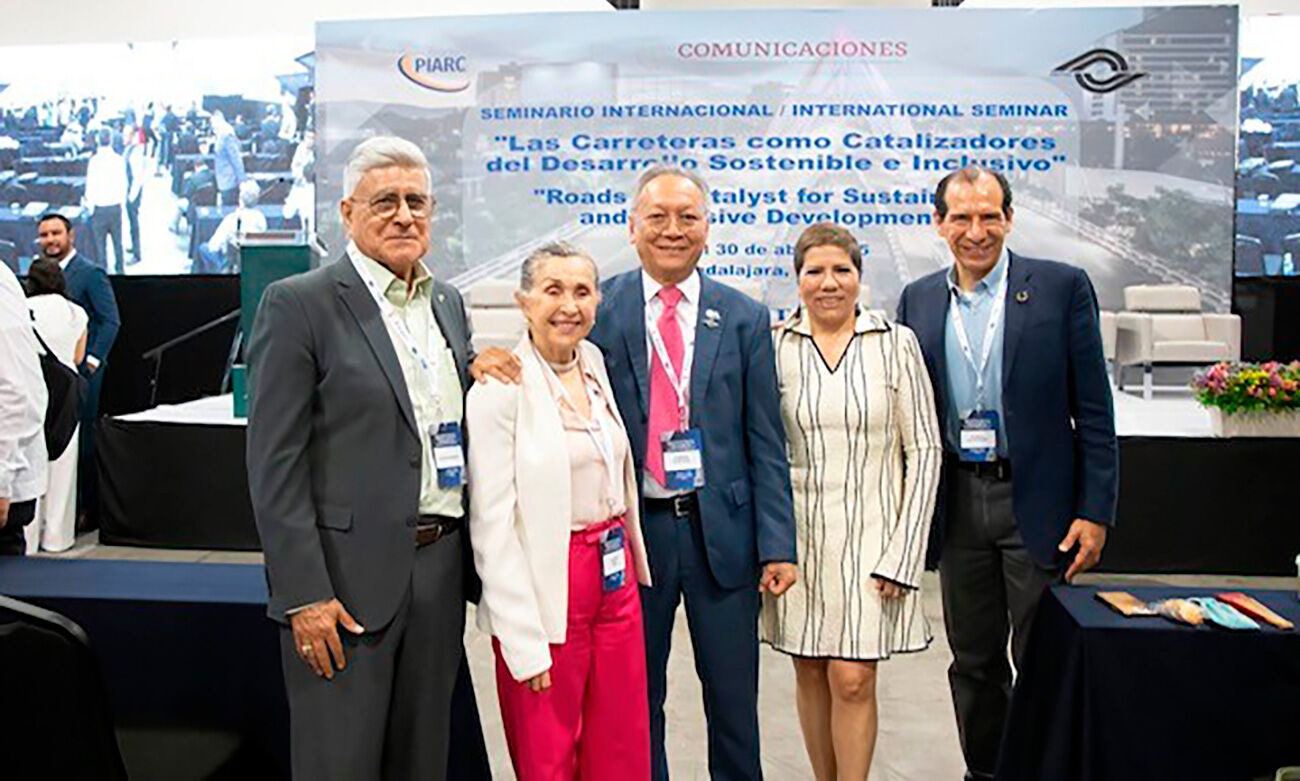
Seminar organization
-
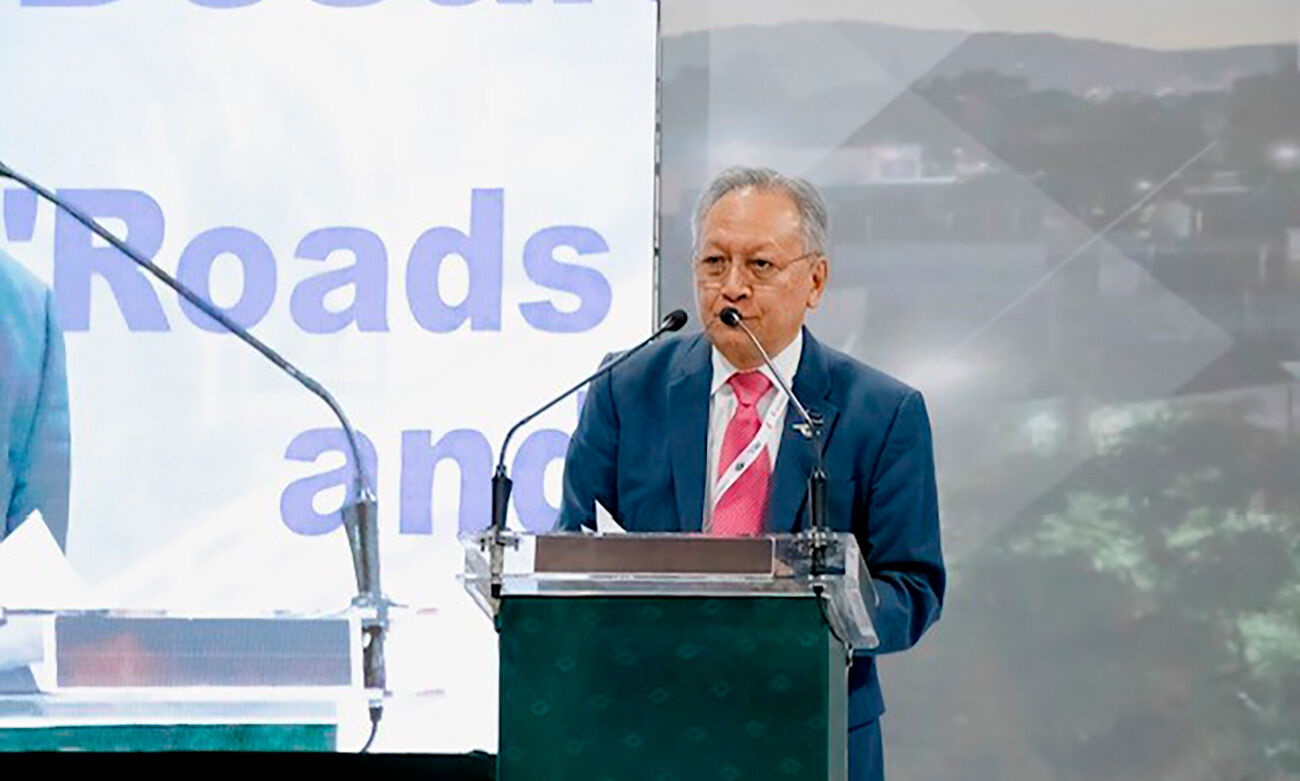
Tribune: Clemente Poon, Spanish-speaking Secretary of 1.2 Technical Committee
-
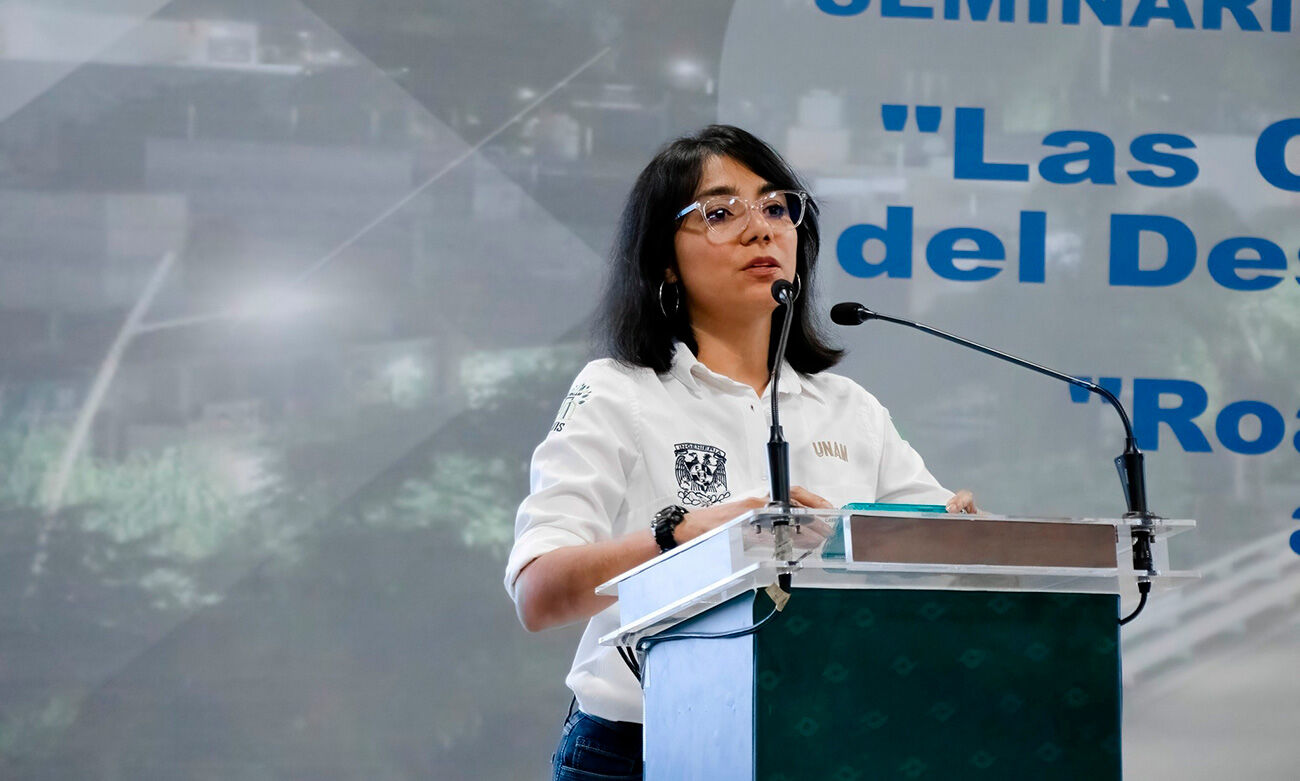
Technical presentation: Ana Carrera
-
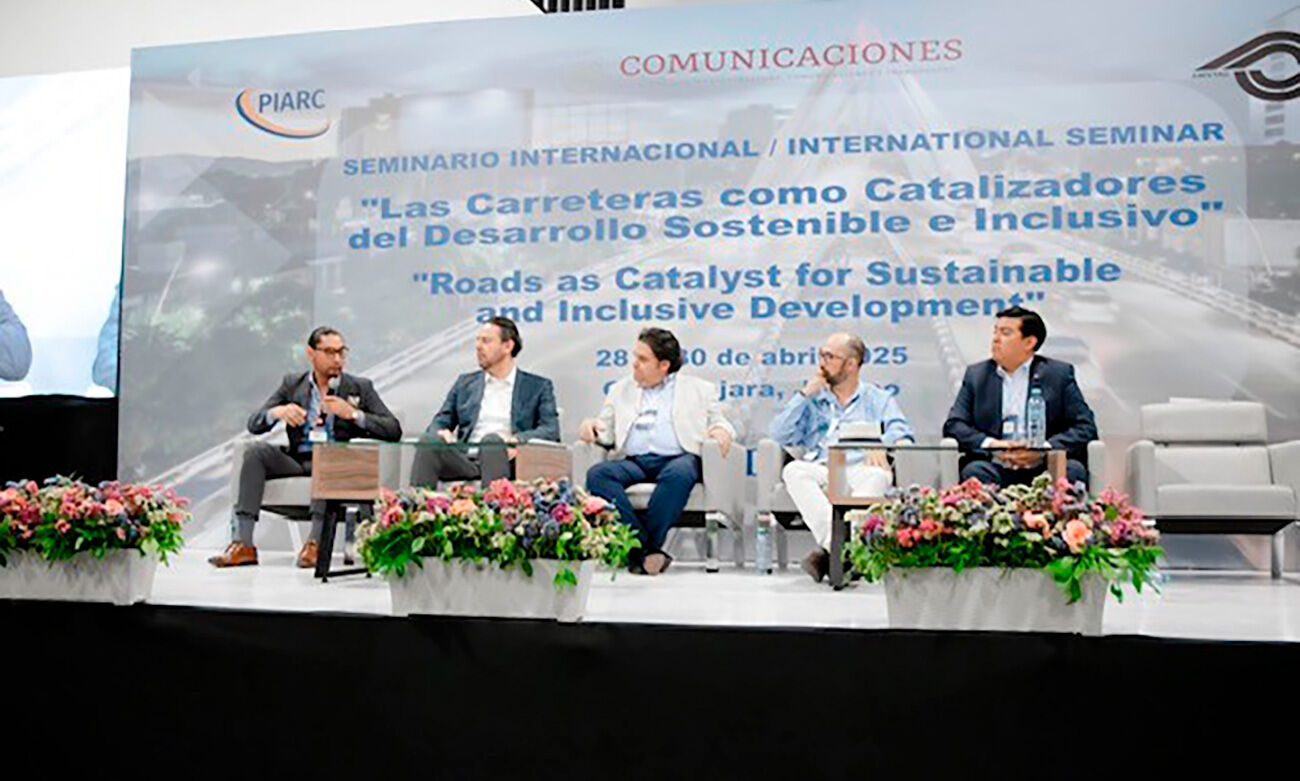
Discussion
-
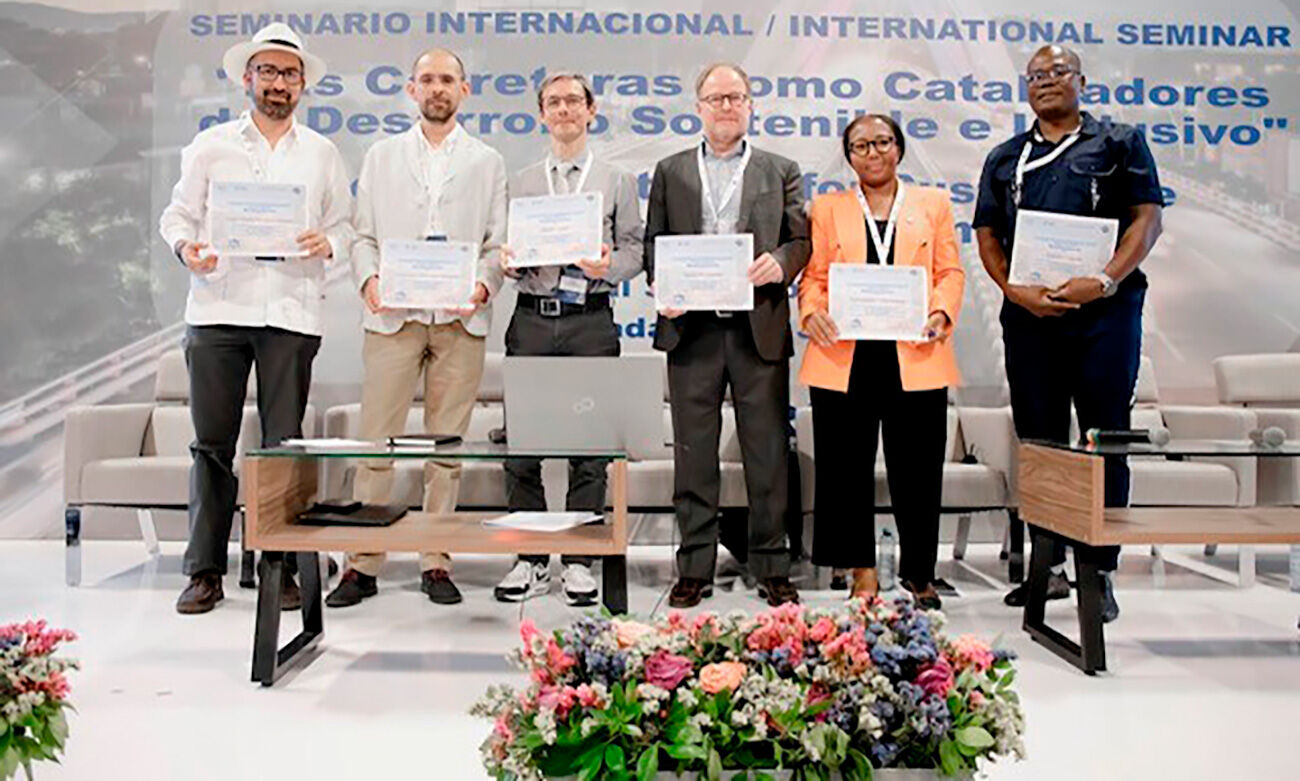
Seminar awards
-
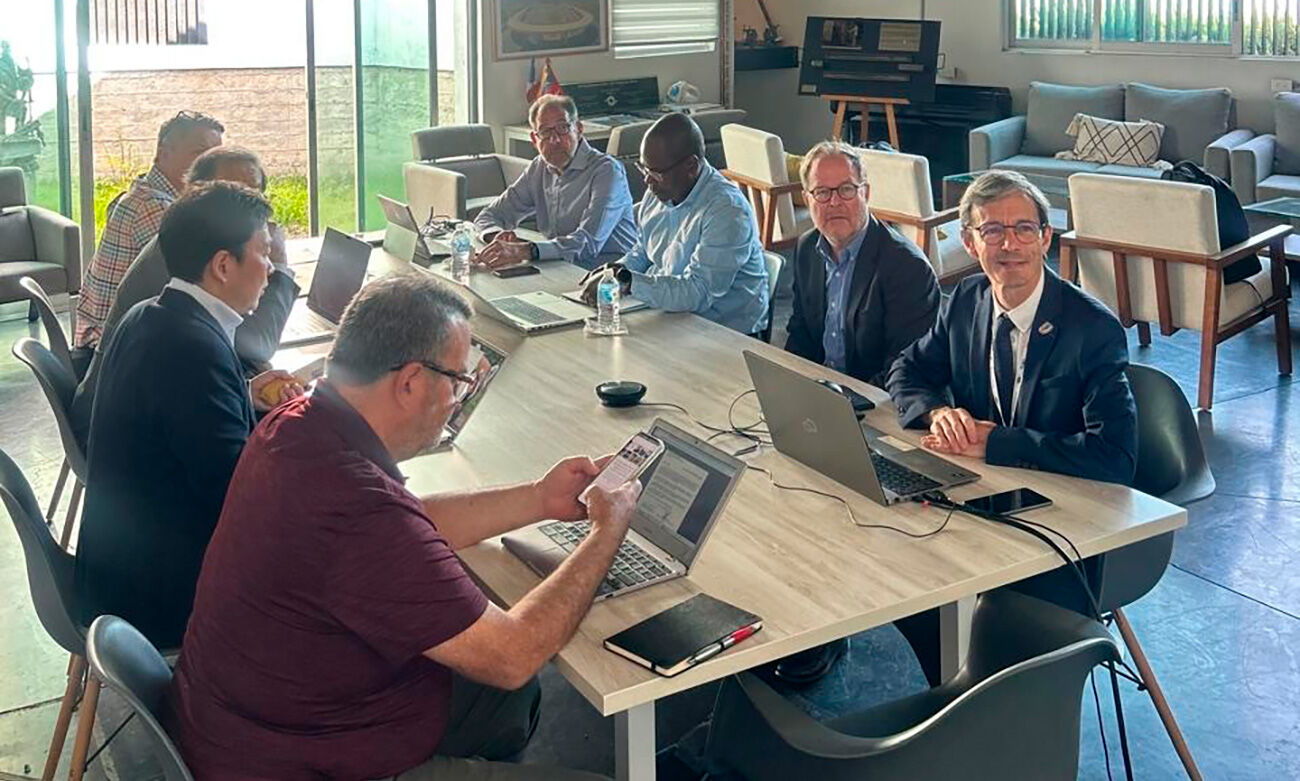
Working meeting