Publications Routes/Roads Winter Service
This page lists publications (Routes/Roads articles, Congresses proceedings) of PIARC in the field of winter service. These publications are classified chronologically.
-
The winter model - Socio-economic cost calculations for the future
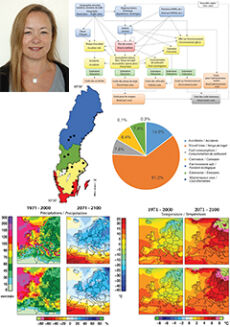
This paper makes a theoretical analysis on the effects from climate change on the winter maintenance and socio-economical costs.
-
Proceedings of the XIVth International Winter Road Congress - Andorra - Out of print
The Congress proceedings contain: information on organizing the Congress and the exhibition, the Congress program: the technical program and the program for accompanying persons; individual papers and the visual aids for the oral presentations; transcription of the opening ceremony, Ministers' session and closing session; the general report; list of participants; the four Congress journals; a selection of photos taken during the event. The final Proceedings of the XIVth International [...]
-
General report of the 14th International Winter Road Congress held in Andorra
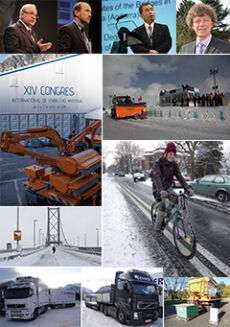
General report of the XIV th International Winter Road Congress held in Andorra The general theme of this Congress was "Reconciling road safety and sustainable development in a context of climate change and economic crisis". It reminds us to incorporate all types of highly fluctuating parameters to ensure user safety and smooth traffic flow while addressing sustainable development considerations.
-
Assessment and repair of bridges subjected to de-icing salts
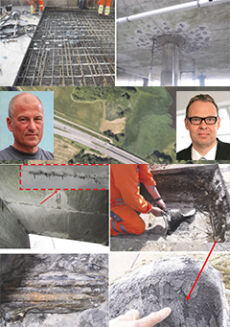
The use of chloride-based road salt can damage bridges and tunnels and, in many cases, remedial solutions must be adopted: a Danish paper explains how structural inspection is performed and which kinds of rehabilitation strategies are feasible.
-
Challenges related to winter operations in urban highway tunnels
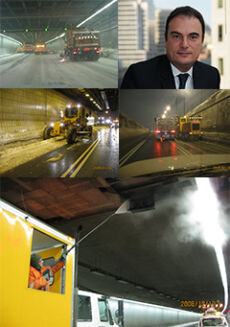
Tunnels and winter service appear to be two topics without much overlap, but in reality the road's corrosive environment during winter permeates the structures; appropriate equipment and maintenance strategies need to be developed, e.g. for the electronics sector, such an approach is described in the article dedicated to Quebec's urban tunnels.